Роберт Студвилл: На скамейке в парке представляются интерактивные беседы с лидерами мнений в области урбанизма и смежных областях, связанных с построенной средой. Сегодня у нас "Прогресс в кодировании на основе форм" с Эмили Талон и Арианной Салазар Мирандой. Меня зовут Роберт Студвилл, и я буду модератором сессии.
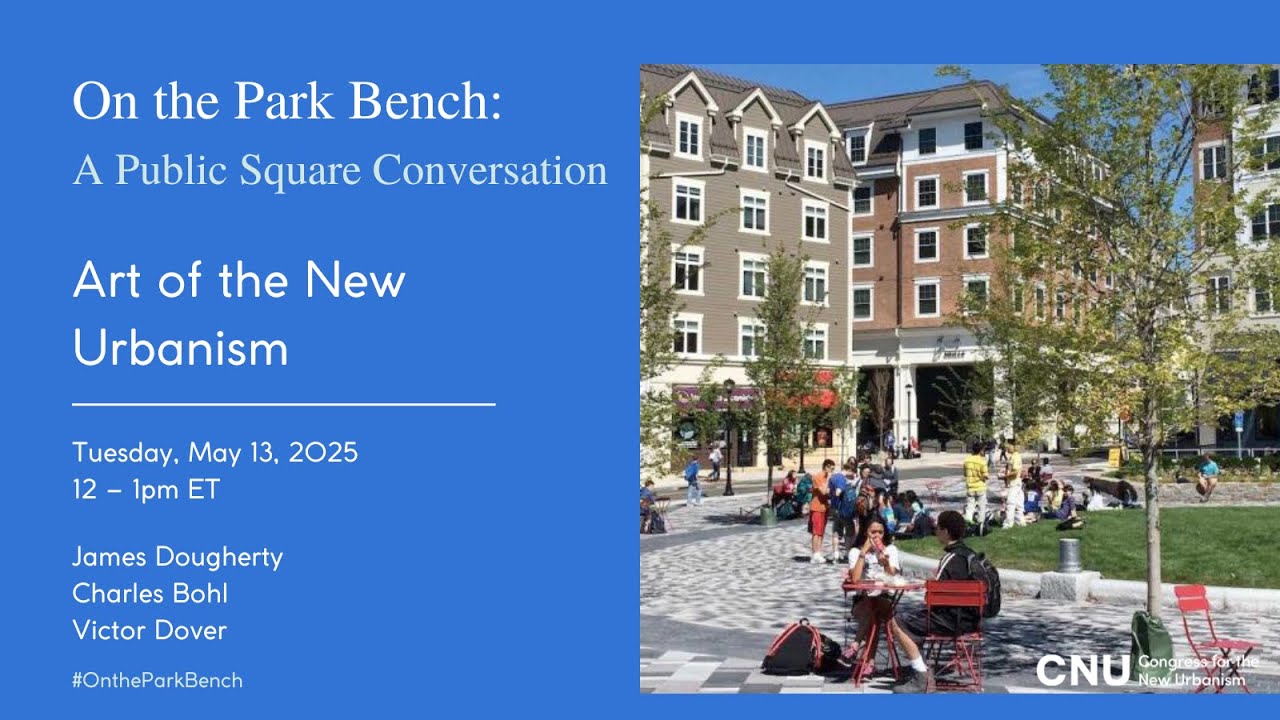
Поделитесь своими мыслями с хэштегом #ontheparkbench, www.tinyurl.com/OTPBfeedback. Присоединяйтесь к нам на предстоящем вебинаре "Искусство нового урбанизма", который состоится в то же время на следующей неделе, 13 мая. Это будет фантастическое шоу о великом искусстве, созданном в служении новому урбанизму. Посетите cnu.org/resources/ontheparkbench, чтобы узнать больше и зарегистрироваться.
И, конечно, зарегистрируйтесь на CNU 33. CNU 33 пройдет в Провиденсе, Род-Айленд, с 11 по 14 июня. У нас на сайте уже есть образовательные предложения, и повестка дня включает восемь направлений: климат, развитие, жилищная политика/регулирование, общественное участие, региональный контекст, транспорт и городской дизайн. Так что найдется что-то для каждого. Город Провиденс действительно фантастический. Это один из великих малых и средних городов Америки. Если вы там не были, вам действительно нужно туда поехать. Посетите cnu.org/CNU33.
Сегодня мы поговорим о национальном исследовании, проведенном по кодированию на основе форм, с использованием ИИ в качестве исследовательского инструмента, и о том, что это исследование говорит о том, как изменилось зонирование в Америке с момента запуска движения нового урбанизма.
Эмили Талон — профессор урбанизма в Чикагском университете, где она преподает городской дизайн и руководит Лабораторией урбанизма. Она является членом Американского института сертифицированных планировщиков и лауреатом стипендии Гуггенхайма. Она также является старшим научным сотрудником и бывшим членом совета CNU. Книги Талон включают "Новый урбанизм в американском планировании", "Разработано для разнообразия", "Городской дизайн восстановлен", "Правила города" и "Соседство". Ее последняя книга "Что говорят города" будет опубликована Oxford Press в 2024 году.
Арианна Салазар Миранда — доцент кафедры городского планирования и науки о данных в Йельской школе окружающей среды. Ее исследования сосредоточены на взаимоотношениях между городским планированием, построенной средой, человеческим поведением и устойчивостью. Недавно она запустила свою Лабораторию живых городов в Йеле.
Я Роб Студвилл, редактор Public Square CNU. Сначала Эмили и Арианна представят свои доклады, затем у нас будет обсуждение между нами тремя, а затем мы перейдем к вопросам и ответам от аудитории. У нас будет достаточно времени для вопросов и ответов, поэтому, пожалуйста, задавайте свои вопросы, как только они у вас возникнут, используя инструмент вопросов и ответов Zoom. Мы будем отвечать на них более или менее в порядке поступления. Итак, добро пожаловать, Эмили и Арианна, на "Скамейку в парке". И я должен прекратить делиться.
Эмили Талон: Большое спасибо, что пригласили нас. Позвольте мне поделиться своими слайдами. Прекрасно. Спасибо большое, Роб. Я начну с введения, а затем Ари возьмет слово. И я вернусь в конце с некоторыми заключительными мыслями.
Итак, вы знаете, все знают, что традиционные зонирующие коды плохи. Они разделяют использование земель, увеличивают зависимость от автомобилей, создают больше городского расползания, социальную разобщенность, плохо для экономики, плохо для окружающей среды. Мы все это знаем. И за последние пару десятилетий действительно было широко признано, что традиционные зонирующие коды — это катастрофа. Если мы собираемся иметь правила, регулирующие, как мы строим города, то нам нужен совершенно другой подход. Регуляторный подход, который не разделяет использование земель, который смешивает виды использования и типы жилья и позволяет компактное развитие. Это хорошо известно, вероятно, всем, кто сейчас на этом звонке.
Планировщики, и особенно новые урбанисты, знают об этой проблеме десятилетиями, как я уже сказала. И одно из решений — и одно из решений, справедливая альтернатива — очевидно для многих из нас, и оно попадает под общее название кодирования на основе форм или иногда зонирования на основе форм, которое в своей самой простой форме заключается в использовании правил, поддерживающих пешеходные города, а не города, ориентированные на автомобили. Так что это все, что я только что упомянула: смешение использования, продвижение городской формы, поддерживающей пешеходность.
И вы должны знать, и, возможно, многие люди на этом звонке знают, что современные коды на основе форм действительно начали набирать обороты в 1990-х годах. Однако я хочу сказать, что правила, направленные на контроль формы, существуют уже веками. И поэтому исследователи среди нас начали исследовать: где находятся эти коды на основе форм, и каков может быть их эффект? Что мы можем изучить о них? И слайд, который вы видите прямо сейчас, — это один из самых ранних кодов на основе форм в современной эпохе, и это, конечно, городской код для города Сисайд от DPZ, и они действительно были первопроходцами в этом всем усилии.
Итак, некоторые из самых ранних исследований, я думаю, следующий слайд. Некоторые из самых ранних исследований были проведены Хейзел Борис и Placemakers, которые запустили Code Study, что было первым надежным учетом принятия кодов на основе форм в США и по всему миру. И эти коды — это отслеживание этих кодов в этом Code Study — действительно полагались на материалы, полученные от краудсорсинга, в качестве отправной точки. А затем был целый процесс применения набора критериев, установленных Институтом кодов на основе форм, который был создан в 2004 году. И теперь он называется Центром решений по зонированию, о чем я только недавно узнала. И подход заключался в том, чтобы определить, подходит ли код, используя критерии Института кодов на основе форм, для включения. И на несколько лет назад было 728 кодов, которые соответствовали критериям. Так что это был кропотливый процесс отслеживания этих кодов. Я подключилась, требуя от студентов в моих классах отслеживать эти коды в качестве бесплатной студенческой рабочей силы, чтобы как-то добавить в базу данных.
Я думаю, мы можем перейти к следующему слайду. Вот так. Это просто скриншот этого героического усилия Хейзел Борис и Мэтта Ламберта, которые тоже были вовлечены в попытку отслеживать эти коды, используя этот краудсорсинговый подход, но затем нужно было вручную заходить и делать некоторые поиски, некоторые поиски в Google по кодам, где они находились. И это много усилий. И это был отличный старт для того, что нам нужно сделать, чтобы отслеживать коды на основе форм, но довольно трудоемкий.
Были, так что какие другие исследования были? Были проведены некоторые качественные исследования о кодах на основе форм: помогают ли коды на основе форм качеству места? Включают ли они устойчивость? Масштабная количественная оценка была довольно редкой. Проблема в том, что, и одна из проблем с отслеживанием всего этого, заключается в том, что текст зонирующих кодов неструктурирован. Он очень переменчив. Так что это затрудняет количественную оценку кодов и сравнение их между регионами. И основной проблемой было попытаться идентифицировать коды на основе форм в первую очередь. Муниципалитеты могут принимать определенные элементы кодов на основе форм, такие как смешанное использование и, возможно, более короткие отступы. Возможно, они ослабили свои требования к парковке. Но без необходимости называть это "Эй, вот наш код на основе форм". Так что не зная этого, мы упускаем некоторые нюансы этих изменений, которые происходят в реформе зонирования. Так что я думаю, что определенно есть необходимость использовать другие подходы для отслеживания кодирования на основе форм.
Входит ИИ. И как подмножество ИИ о интерпретации человеческого языка, обработка естественного языка, NLP, как это называется. И это предлагает огромный и огромный потенциал для анализа зонирующих документов. Так что это мое введение. Ари, я передаю слово тебе.
Арианна Салазар Миранда: Спасибо. Хорошо. Давайте перейдем к деталям того, как мы это сделали. Итак, как сказала Эмили, нас интересует, как коды на основе форм могут формировать города, чтобы они были более устойчивыми. И наша наковальня здесь будет использовать обработку естественного языка или NLP, что по сути позволяет нам систематически анализировать зонирующие коды по тысячам документов.
Теперь NLP также очень ценен в этом конкретном контексте, потому что, как упомянула Эмили, и вы, вероятно, уже знаете, зонирующие коды редко обозначают себя как либо на основе форм, либо на основе использования, верно? Большинство из них находятся где-то посередине. Итак, используя NLP, мы можем обнаружить эти тонкие различия в языке, чтобы измерить, насколько близко каждый город соответствует языку кодов на основе форм, даже если сам город не говорит об этом явно.
Позвольте мне кратко объяснить, как мы собрали наши данные. Мы собрали зонирующие документы из Municode. Municode — один из крупнейших онлайн-источников муниципальных кодов. И наша первая задача заключалась в том, чтобы найти способ оставить только те главы, которые относятся к зонированию. Муниципальные документы охватывают гораздо больше тем, чем просто зонирование. Они охватывают такие вещи, как сбор мусора, правила дорожного движения и многие другие правила, касающиеся построенной среды. Итак, то, как мы это сделали, заключалось в выборе глав, в заголовках которых содержатся ключевые слова, связанные с зонированием, такие как зонирование, использование земель и другие ключевые слова, которые я выделяю здесь на слайде.
Итак, как только мы выбрали этот поднабор, мы затем сопоставили каждый из этих зонирующих документов с соответствующим местом переписи населения США. И это создало наш окончательный набор данных, который охватывает около 2723 муниципалитетов по всей территории США. И вы можете видеть здесь на этой карте их географическое распределение, которое мы показываем синим цветом. А затем красным вы также видите то, что мы называем нашими документами истинной правды. Итак, это отдельный набор из 70 зонирующих кодов, которые известны как коды на основе форм. И это те, которые мы получили от placemakers.com и Института кодов на основе форм. Теперь, почему они нам нужны, так это потому, что эти примеры истинной правды дадут нам базу для того, как выглядит типичный код на основе форм. А затем мы можем измерить, насколько близко язык любого зонирующего документа соответствует языку этих кодов на основе форм.
Итак, как мы это делаем? Я проведу вас через процесс, который, я думаю, очень интересен. Итак, здесь слева вы видите пример зонирующего документа. Итак, это наш сырой ввод. Теперь, поскольку эти документы обычно очень длинные, а наша модель NLP имеет ограничение на то, сколько она может обработать за один раз, мы должны разделить каждый документ на более мелкие сегменты или то, что мы называем кусками. Затем каждый кусок проходит через эту модель NLP, создавая числовое представление, называемое встраиванием. Вы можете думать о встраивании как о числовом резюме содержания текста. А затем мы усредняем встраивания из всех кусков в одном и том же документе, что дает нам по сути одну меру на документ.
Теперь выход этого процесса показан в диаграмме в правом верхнем углу. Итак, каждая серая точка — это встраивание документа. И мы следуем тому же самому процессу для истинных кодов на основе форм, создавая для них встраивание. В диаграмме мы показываем их как красные точки. Теперь вспомните, что наша цель — измерить, насколько похож каждый зонирующий документ, то есть каждая серая точка, на типичный код на основе форм. Теперь, чтобы сделать это, конечно, нам сначала нужно определить, что на самом деле означает типичный код на основе форм, верно? Итак, то, как мы это определяем, это среднее всех красных точек, то есть всех наших истинных кодов на основе форм, которые я показываю крестиком. Это центроид, и он обычно представляет собой средний или типичный язык, который встречается во всех истинных кодах на основе форм, которые у нас есть.
Теперь, когда у нас есть эта база, мы можем измерить сходство с ней. И мы используем косинусное сходство, которое по сути вычисляет угол между двумя линиями: одна от начала координат до нашего центроида истинного кода на основе форм, и другая от начала координат до каждого зонирующего документа или серой точки. Итак, например, точка A имеет более высокое сходство, потому что у нее меньший угол. И вы можете видеть, что она ближе по расстоянию к центроиду. А затем, в отличие от этого, у вас есть, например, точка B, которая имеет более низкое сходство, потому что у нее гораздо больший угол, верно? Вы можете видеть, что точка B расположена намного дальше от центроида зонирующих документов FBC. Итак, мы делаем это для каждого зонирующего документа в нашей выборке, и это дает нам непрерывную меру того, что мы называем сходством FBC или кодом на основе форм.
Теперь, когда у нас есть наша мера сходства FPC, первое, что мы сделали, это проверили, действительно ли эта мера захватывает значимые различия в языке зонирования. И вы можете видеть здесь, это облака слов, которые показывают слова, наиболее отличительные в каждой из трех групп. Итак, позвольте мне начать с облака слов слева. Это зонирующие документы, которые заняли высокое место согласно оценке сходства FPC. И вы можете видеть, что они обычно подчеркивают слова, связанные с дизайном, верно? Вы можете видеть "ландшафт", вы можете видеть "архитектурный". Теперь, если мы перейдем к среднему облаку слов, это наша эталонная группа или наша истинная правда. Это истинные коды на основе форм. И вы можете видеть, что на самом деле существует довольно тесное соответствие с левым облаком слов, верно? Вы также видите, что оно подчеркивает своего рода аналогичный язык, ориентированный на дизайн.
Теперь справа вы видите коды с низкими оценками сходства кодов на основе форм. И в отличие от этого, вы можете видеть, что они, как правило, подчеркивают своего рода процедурные, более регуляторные термины. Так что есть такие вещи, как "производительность" или "административный". Здесь акцент больше на правилах, чем на дизайне. И причина, по которой мы считаем, что это упражнение было плодотворным, заключается в том, что оно обнадеживает, что это, вы знаете, это предполагает, что наша мера на самом деле довольно хороша в захвате соответствующих тематических различий, которые мы ожидали бы.
Итак, теперь мы можем использовать нашу меру, чтобы узнать об усыновлении FPC. Итак, первый вывод нашей работы заключается в том, что язык FPC широко распространен по всей территории США. Итак, чтобы дать вам представление об этом, мы установили три порога вдоль нашей меры сходства FPC, которая, как вы можете видеть на рисунке, варьируется от нуля до шести. Если мы остановимся на пороге 3,5, это будет своего рода нижний порог, указывающий на некоторое сходство с FBC. Около 89% муниципалитетов соответствуют или превышают этот порог. Теперь, если мы остановимся на 4, это может указывать на более сильное сходство. Мы видим, что около 72% муниципалитетов принимают язык FPC. И на пороге 4,5, который указывает на более сильное сходство, мы видим, что примерно треть муниципалитетов имеют зонирующие коды, которые тесно соответствуют языку кодов на основе форм.
Второй вывод заключается в том, что усыновление FPC не ограничивается определенными регионами США. Итак, здесь вы можете видеть распределение нашего сходства FPC, разбитое по четырем регионам. И вы можете видеть, что в каждом регионе есть муниципалитеты, которые набирают как высокое, так и низкое сходство. Так что везде много вариаций. Теперь, одна вещь, на которую стоит обратить внимание, это то, что Юг, который мы показываем красным, как правило, имеет немного более высокий общий балл. И вы можете видеть это по смещению красного распределения немного вправо. Так что вывод здесь заключается в том, что FBC появляются по всей стране, а не только в определенных ее районах.
Теперь третий вывод заключается в том, что FBC подчеркивают городской дизайн, и это не обязательно приводит к более строгим зонирующим правилам. Итак, позвольте мне провести вас через этот рисунок, который иллюстрирует эту точку зрения. Итак, здесь мы отображаем по горизонтальной оси индекс регуляторной строгости Уортона, о котором некоторые из вас могли слышать, но мы можем поговорить об этом подробнее в разделе вопросов и ответов. А по вертикальной оси у нас есть наша мера сходства FBC. Итак, по сути, строгость зонирования здесь означает, насколько сложно или долго строить. Более высокие значения означают более строгие правила.
Теперь, если бы коды на основе форм были по своей сути более строгими, мы бы увидели скопление или кластеризацию всех городов в верхней правой области, верно, где есть квадрант с более высоким сходством и более высокой строгостью. Но мы на самом деле этого не видим, верно? Вместо этого мы видим практически отсутствие корреляции между сходством FPC и строгостью. Так что, например, если мы копнем немного глубже, мы можем увидеть, что такие города, как Сан-Антонио и Оклахома в верхнем правом углу, это города, которые имеют как сильные коды на основе форм, так и очень строгие. Но с другой стороны, у вас есть такие города, как Сиэтл и Миннеаполис в нижнем правом углу. Это города, которые имеют строгое зонирование, но на самом деле имеют низкое сходство FPC. Итак, вывод здесь заключается в том, что принятие кодов на основе форм не автоматически означает более строгие зонирующие правила.
Теперь в последние пару минут я перейду к нашей последней задаче, которая заключалась в том, чтобы увидеть, влияют ли FPC на городскую форму на практике. И это важно, потому что это говорит нам о том, насколько они эффективны в формировании построенной среды или формировании развития. Итак, для этого мы построили детализированные меры городской формы, используя очень детализированные пространственные данные о отдельных участках, зданиях и улицах для всей территории США. И мы сосредоточились на четырех ключевых мерах. Итак, сначала мы измеряем, насколько далеко здания находятся от улицы, то есть отступы. Мы также измерили, насколько последовательно они выравниваются, что вы измерили, используя отклонения отступов. Мы также измерили, насколько плотно здания находятся на каждом участке. И здесь мы используем коэффициент площади пола или FAR. И наша четвертая мера была минимальными размерами участков. Итак, мы вычислили все эти меры участок за участком, как вы можете видеть здесь на картах Чикаго. А затем мы усреднили их, чтобы получить одну меру городской формы для каждого муниципалитета.
Итак, эти по сути говорят нам результаты для построенной среды. Итак, это показывает, что муниципалитеты с более сильным принятием кодов на основе форм, как правило, имеют более компактные городские формы. В частности, места, которые принимают FPC, имеют меньшие и более последовательные отступы. Вы можете видеть это на панелях A и B. Они также более плотные, как измерено по FAR, что вы можете видеть на панели C. И у них меньшие минимальные размеры участков, что вы можете видеть на панели D. Теперь, чтобы убедиться, что эта связь, которую мы наблюдаем, действительно является принятием FPC, мы также контролировали другие потенциальные факторы, такие как региональные различия, размер муниципалитета, возраст зонирования. Так что все эти различные контроли показаны в разных цветах на каждой панели.
Теперь я только что показала вам, что FBC имеют потенциал для формирования городской формы. Конечно, нас также интересует, приводят ли эти изменения на самом деле к различиям в поведении, особенно в том, сколько люди ходят пешком, сколько они ездят на работу, и также просто в общем образе жизни. Итак, используя тот же подход, что и раньше, мы находим некоторую поддержку идеи о том, что муниципалитеты с более сильным принятием FPC имеют более высокие оценки пешеходности. У них более короткие поездки на работу и немного более высокая доля многоквартирного жилья. Эмили, на этом я передаю слово тебе.
Эмили Талон: Хорошо, спасибо большое, Ари. Хорошо. Я думаю, некоторые из, я просто завершу, выделив несколько основных моментов. Реформы последовательны в градации, зонирующие реформы, такие как коды на основе форм. И я думаю, что большая точка и обоснование для этого исследования заключается в том, что они не обязательно обозначены как коды на основе форм. Эти элементы кодов на основе форм проникают в зонирующие коды постепенно. Это может быть через уменьшение отступов, разрешение смешанного использования, разрешение более высокой плотности, сокращение парковки. И реформы как бы накладываются и встраиваются в коды различными способами.
Итак, что мы здесь показали, так это то, что обработка естественного языка, NLP, может быть использована для фильтрации зонирующих документов по всей территории США, чтобы оценить сходство FBC. Итак, несколько вещей, которые мы узнали. Во-первых, мы обнаружили, что качества FBC различимы в определенном типе зонирующего кода. Итак, мы можем, вы знаете, это не, есть определенный тип кода, который может не быть обозначен как FBC, но он отличается. И документы с высокими характеристиками FPC были плотно сгруппированы, как вы видели на диаграмме рассеяния, что означает, что у них есть внутренняя тематическая согласованность. Так что в них есть что-то. Это не просто то, что у них есть отдельные регуляторные измерения, которые являются своего рода случайными элементами FBC. У них есть тематическая внутренняя согласованность. Традиционные зонирующие документы, в отличие от этого, были гораздо более рассеянными и не имели такой тематической согласованности.
Еще один вывод заключается в том, что коды с высоким сходством FBC включали темы, связанные с физической городской формой и созданием мест. И как показала Ари, слова, такие как "архитектурный". Но документы с низким FBC были более сосредоточены на юридических и административных аспектах зонирования со словами, такими как "производительность" и "опасности". Так что я думаю, что это различие — это именно то, к чему стремились сторонники FBC, а именно уделять больше внимания построенной среде, форме города, и меньше внимания правилам и процедурам, которые могут привести к непредсказуемым результатам, включая городскую форму, ориентированную на автомобили.
Давайте посмотрим, следующий слайд. Хорошо. Некоторые из вас могут думать: "О боже, ИИ, он разрушает наши жизни". Соответствует ли эта классификация ИИ оценкам реальных людей? Ну, это была одна из критик, которые мы получили, когда проходили процесс рецензирования для этой статьи. Это всегда опасность, но мы провели упражнение по валидации. На самом деле, Ари это сделала. Спасибо, Ари. Мы выбрали 10 зонирующих кодов, каждый из верхней и нижней части распределения сходства FBC, и извлекли все абзацы, связанные с отступами и FAR, а затем разработали рубрику и использовали человеческого оценщика, не знающего о баллах сходства FBC, и применили рубрику. И мы нашли хорошую согласованность. Так что всегда важно проводить некоторые проверки людьми. ИИ может давать сумасшедшие результаты. Но так что вам нужно это проверять. И мы это сделали.
Мы смогли охарактеризовать построенную среду, связанную с высоким и низким FBC. Это была другая точка, которую сделала Ари. Итак, по сравнению с местами с низким FBC, места с высоким FBC имели более короткие отступы, более высокий FAR, меньшие размеры участков, все из которых поддерживают цель создания пешеходных, дружественных к пешеходам сред. Была положительная связь, как показала Ари, с пешеходностью, временем поездки на работу и многоквартирным жильем. FBC сильно связаны с более плотными и более человеческими масштабами средами. Это все замечательно.
Вы можете думать, однако, корреляция не является причинностью. И вы были бы правы. Но это очень хороший знак. Если бы FBC были показаны как коррелирующие с более низкими оценками пешеходности и более длинными поездками на работу и меньшим количеством многоквартирного жилья и более глубокими отступами, это было бы поводом для беспокойства. Так что связывание кодов и построенной формы действительно важно, потому что если код значительно отличается от построенной среды, которую мы пытаемся повлиять, это может означать, что коду поручено вносить крупные ожидаемые изменения в качество места, которые на самом деле не реализуются, или что код не оказывает предполагаемого эффекта.
Наша методология, как и все методологии, имеет ограничения. Так что позвольте мне просто завершить, кратко предложив это. Ари, у меня есть еще один слайд? Хорошо. Вы знаете, ChatGPT может вводить предвзятость. И некоторые из метрик, которые мы используем, такие как Walk Score, могут измеряться разными способами. Walk Score много критиковали. Итак, всегда есть место для расширения и уточнения. Мы могли бы дальше различать места FBC на основе уровней городской интенсивности, как в случае с транзектом. Нам нужно больше работать над определением подходящего периода времени для оценки результатов FBC. Наличие данных о времени реформы кодов действительно трудно отслеживать. Мы пытались. Это область для будущих исследований.
Но в целом и в заключение, я думаю, что планировщики и новые урбанисты оправданы в своем оптимизме по поводу кодов на основе форм, но нам нужно быть реалистичными в отношении возможностей и ограничений кодов на основе форм. Итак, здесь ожидается много от кодов на основе форм, поэтому я думаю, что нам нужно проходить регулярную оценку, продолжающуюся оценку с использованием всех видов различных инструментов. ИИ — это один из таких инструментов. И на самом деле, это последний слайд здесь. У нас есть Ари, разработала веб-сайт, который идет вместе с нашим исследованием, где вы можете как бы исследовать различные результаты. Расскажи нам немного о веб-сайте, Ари.
Арианна Салазар Миранда: Это просто резюме для всех вас, кто заинтересован в том, чтобы узнать больше о проекте. Он резюмирует ключевые выводы, и в конце вы также можете посмотреть свой собственный город или интересующий вас муниципалитет и сравнить и сопоставить все различные результаты, о которых мы говорили. Так что, Walk Score, поездка на работу, доля многоквартирного жилья, и также посмотреть, как эти факторы варьируются с нашим баллом сходства FBC. Так что, если вам интересно, посетите веб-сайт.
Эмили Талон: Верно. И я думаю, что на этом мы завершаем. Готовы ответить на вопросы и ответы. Позвольте мне прекратить делиться своим телефоном.
Роб Студвилл: Хорошо, давайте... Да, я напомню всем использовать функцию вопросов и ответов Zoom. Если у вас есть вопросы, мы уже получаем некоторые хорошие вопросы в этом. Но я хотел бы задать несколько вопросов для начала, и большое спасибо, Эмили и Ари, за действительно информативную презентацию. Я думаю, что последнее исследование кодов на основе форм, которое вы провели, Эмили, было в 2021 году. Я не знаю, было ли много исследований на национальном уровне кодов на основе форм. Возможно, были некоторые в последние годы, но за последние четыре года я заметил, что реформа зонирования приобретает гораздо более высокий профиль во многих отношениях на национальном уровне. Как ваше исследование добавляет к этому разговору? Указывает ли оно на это или добавляет ли оно какую-либо глубину к этому? Каковы ваши мысли о том, что зонирующие коды приобретают более высокий профиль?
Эмили Талон: Я думаю, что исследования, которые существуют, я не видела ни одного, которое бы использовало ИИ, во-первых. Я думаю, что есть много исследований, не много, но исследования, которые существуют, как правило, либо качественные, либо рассматривают отдельные города, что тоже ценно. И они могут делать такие вещи, как связывание кодов на основе форм с устойчивостью или изучение того, что думают архитекторы о кодах на основе форм? Любят ли они их или ненавидят? Опросы. Но действительно отслеживание на национальном уровне, чтобы попытаться понять общий путь того, как коды на основе форм меняют то, как мы строим города, как мы регулируем города. Нужно больше исследований. Я думаю, что это было своего рода новичком в плане этого конкретного подхода. Итак, чем больше, тем лучше. Нам нужно продолжать это. Это может быть невероятно важно. Кодирование на основе форм в целом имеет потенциал быть невероятно важным для изменения курса того, как мы строим наши города. Ари, у тебя есть какие-нибудь другие мысли?
Арианна Салазар Миранда: Я просто хотела добавить, что я думаю, что сила этого подхода заключается именно в том, что Эмили говорила о возможности масштабирования по всей стране. И я думаю, что мы только начали. Я думаю, я имею в виду, что мы смотрели только на создание этой меры сходства, но я думаю, что есть много чего, что мы можем сделать на стороне содержания. Одна особенно захватывающая и интересная вещь, которую мы могли бы сделать в будущем, это изучение характеристик дизайна улиц, верно? Вещи, которые мы знаем, должны быть связаны с кодами на основе форм. Так что вы можете подумать, например, об использовании этих видов техник и инструментов, чтобы увидеть, как часто зонирующие коды упоминают тротуары или упоминают велосипедные дорожки или упоминают деревья на улицах, верно? Все эти особенности, которые мы, которые обычно считаются дружественными к пешеходам, а затем связывают их обратно с кодами на основе форм или с зонированием в целом, верно? Так что это своего рода, я думаю, первое исследование, которое делает шаг в этом направлении в этом контексте, но, надеюсь, оно откроет путь для многих более захватывающих работ, потому что я думаю, что здесь много потенциала.
Роб Студвилл: Это исследование, кажется, указывает на то, что принятие кодов на основе форм более распространено, чем, я думаю, многие новые урбанисты могли предположить. Конечно, чем я предполагал. И это кажется хорошей новостью, и все же я все еще слышу от практиков, что это не равные условия, что все еще трудно добиться принятия ваших кодов на основе форм. Итак, я хотел бы узнать, есть ли у вас какие-либо мысли по этому поводу. Это касается возможностей и ограничений этих кодов на основе форм?
Арианна Салазар Миранда: Да, я имею в виду, это отличная точка зрения, верно? Пункт первый, да, мы показываем, что язык кодов на основе форм широко распространен. Теперь, одна вещь, которую я думаю, здесь важно отметить, это то, что мы не находим корреляции между принятием кодов на основе форм и увеличением регуляторной строгости. Другими словами, города, которые принимают язык кодов на основе форм, не обязательно создают дополнительные препятствия для строительства, верно? По крайней мере, не из тех данных, которые мы нашли. Конечно, это не означает, что строительство, будь то на основе форм или традиционное зонирование, не является очень сложным, верно? Я думаю, мы все можем согласиться, что в США просто очень трудно строить в целом, будь то коды на основе форм или нет. Итак, я думаю, что ваша точка зрения поднимает более широкую проблему, верно? Что, вы знаете, мы должны просто думать о том, как уменьшить эти регуляторные препятствия, чтобы мы могли строить больше и увеличивать предложение, чтобы мы могли строить более эффективно, особенно когда речь идет о жилье.
Роб Студвилл: Еще одна мысль, которая у меня есть, это то, что зонирование — это действительно половина того, что создает урбанизм. А другая половина — это улицы и уличные сети. И я хотел бы узнать, во-первых, говорит ли ваше исследование что-то об улицах и уличных сетях. Вы узнали что-нибудь об этом аспекте? И делается ли прогресс в этой области, и может ли это, я имею в виду, может ли это быть чем-то, что задерживает вещи, если на стороне улиц прогресса меньше?
Эмили Талон: Ари, это звучит как новый исследовательский проект для меня.
Арианна Салазар Миранда: Я думаю, что да. Так что, в некотором смысле, некоторые из мер, которые мы рассматриваем, вы знаете, такие как отступы, регулярность фасадов зданий, плотность, размеры участков. Я имею в виду, что, возможно, это особенности дизайна улиц, верно? Или, по крайней мере, мы считаем их факторами, которые важны для формирования пешеходного опыта на уровне улицы. Но я думаю, вы, вероятно, думаете о еще более детализированных особенностях дизайна улиц. Так что, вероятно, некоторые из тех вещей, которые я упоминала ранее, такие как деревья на улицах, тротуары, пешеходные переходы. Так что я действительно думаю, что это вещи, которые мы не измеряем, но которые мы могли бы потенциально измерить. Единственное, что, возможно, я хотела бы сказать, это то, что мы действительно смотрим на Walk Score как на поведенческий результат. И я знаю, что это не идеальная мера пешеходности. Эмили и я много говорим об этом. Но, я имею в виду, в некотором смысле мы действительно считаем, что это захватывает некоторые из основных ингредиентов дружественных к пешеходам сред, такие как доступность вещей, которые можно посетить, такие как удобства. И мы находим, что места, которые принимают FBC, имеют более высокий Walk Score, верно? Итак, в некотором смысле это предоставляет некоторые доказательства того, что в FBC могут быть некоторые из этих дружественных к пешеходам особенностей, даже если они измеряются косвенно через Walk Score. Хотите что-то добавить?
Эмили Талон: Я думаю, что Walk Score довольно точен. Но там, где он может ошибаться, он действительно ошибается. Но я не знаю.
Роб Студвилл: Эмили, вы хотели что-то добавить?
Эмили Талон: Ну, это просто то, что мы смотрели на документы в хранилище Municode. Так что это будет зонирование, которое направлено на частные земли. Это не направлено на общественное пространство обязательно. Так что это будет другой набор документов, которые мы могли бы проанализировать с точки зрения их расположения и степени, в которой они, вы знаете, пытаются быть более дружественными к пешеходам. Я не знаю, какой источник документов это был бы, но мы спросим у ChatGPT. Я не знаю. Что ты думаешь, Ари?
Арианна Салазар Миранда: Мы можем это выяснить. Но вы можете посмотреть на зонирующие коды и поискать в них дружественные к пешеходам особенности.
Роб Студвилл: Используя ту же выборку муниципального кода?
Эмили Талон: Это не будет регулировать, это не будет регулировать улицы.
Роб Студвилл: О, и за пределами зонирования, за пределами зонирования. Но в более широких муниципальных кодах.
Арианна Салазар Миранда: Возможно, не в главе о зонировании. Точно. Точно. Но у нас есть все муниципальные главы. Итак, мы могли бы искать дружественные к пешеходам ключевые слова во всех муниципальных кодах, помимо зонирующего.
Роб Студвилл: Я начну переходить к вопросам и ответам, потому что у нас уже много вопросов, и я не уверен, сможем ли мы даже пройти через них, но один очень быстрый вопрос был: какую программу вы используете для установления текстовых кусков, углового расстояния от базового кода на основе форм? Можете ли вы немного рассказать о используемых программах?
Арианна Салазар Миранда: Да. Итак, мы используем комбинацию Python для всего, что связано с обработкой естественного языка, обработкой текста, разделением на куски. Так что это был своего рода язык программирования, который мы использовали. И для всего статистического анализа и фактически построения и измерения косинусного сходства мы использовали RStudio для этого. И, возможно, я должна добавить, что в Python мы использовали модель NLP, которая на самом деле является открытым исходным кодом. Она называется моделью BERT-RoBERTa. Любой может использовать ее. Она бесплатна. И, вы знаете, с некоторым опытом программирования вы можете запустить ее и извлечь инсайты самостоятельно.
Роб Студвилл: Патриция и хорошо, идите вперед.
Эмили Талон: И, кстати, извините, Роб, быстрый вопрос. У вас будет запись всех комментариев и вопросов? Потому что я бы хотела их просмотреть.
Роб Студвилл: Отлично. Я думаю, что мы можем это скачать, да. Потому что мы не успеем на все сейчас.
Эмили Талон: Хорошо, спасибо.
Роб Студвилл: Да. Со временем, Патриция спрашивает: сдвиг термина, и видели ли вы сдвиги терминов, относящихся к кодам на основе форм и различным словарям, и как это повлияло на ваши результаты?
Эмили Талон: Ну, как я уже упоминала, у нас нет временной метки на этих кодах. Так что мы не смогли действительно посмотреть на временные изменения. Я думаю, что это очень важно сделать. Так что мы будем возвращаться к этому. Вы знаете, в будущем нам нужно следить за тем, что происходит. Но мы не смогли датировать коды, не так ли, Ари?
Арианна Салазар Миранда: Так что есть небольшая оговорка на этот счет. Проблема не столько в том, что мы не смогли датировать код. Мы смогли предсказать дату. Проблема в том, что Municode выпускает только последнюю версию этого кода. Так что мы не знаем, были ли какие-либо реформы, какие-либо изменения в языке, которые произошли до последнего зонирующего кода, который мы получаем. Так что, но я думаю, это супер интересный вопрос, верно, чтобы увидеть, есть ли разные тенденции в том, как коды говорили о FBC. И я думаю, что это было бы супер интересно исследовать. Но, к сожалению, у нас есть только одна точка во времени. Теперь мы могли бы представить, что если мы будем делать это, начиная с настоящего времени и в будущем, и запрашивать последнюю версию Municode каждый год, то мы могли бы начать отслеживать эволюцию языка с течением времени. Так что это отличная точка. Угу.
Роб Студвилл: Карен спрашивает: является ли размер участка площадью здания или размером участка?
Арианна Салазар Миранда: Я думаю, что это было упомянуто в размере участка. Размер участка — это, да, это размеры участка. Участка. Участка, точно. Участка. Да.
Роб Студвилл: Да, хорошо. Измеряли ли вы отношения к размеру города или плотности населения, или плотности людей, в месте?
Арианна Салазар Миранда: Мы в основном контролировали это. Убедились, что отношения, которые мы видели, не были из-за того, что, скажем, вы думаете, что более крупные или меньшие города принимают больше FPC. Итак, мы в основном сделали сравнение справедливым с точки зрения контроля различий в размере, чтобы убедиться, что это не просто более крупные или меньшие города, которые вызывают эффект, но на самом деле вы сравниваете города аналогичного размера, один из которых занимает более низкое место с точки зрения принятия FBC, а другой занимает более высокое. Итак, мы действительно смотрели на размер муниципалитета и население. Размер в терминах площади и населения.
Роб Студвилл: Марина спрашивает: оценивали ли вы, как быстро утверждаются проекты? Мы стремимся упростить в обмен на лучшее. Так что было бы хорошо знать. Я имею в виду, вы действительно смотрели на уровень строгости, но коррелирует ли это с тем, сколько времени занимает утверждение проекта, я не знаю. Должна ли я взять это, Эмили? Или вы хотите что-то сказать об этом?
Эмили Талон: Ну, я просто скажу о индексе строгости, вы можете посмотреть это. Это довольно интересные данные из Уортонской школы в Пенне. И это было основано на опросе, верно? Точно. Верно, Ари? Опрос планировщиков, задавая им вопросы, чтобы попытаться получить меру степени строгости. И это много из этого, это действительно о доминировании зонирования только для одной семьи, это большая часть этой строгости. Например, где в городе вы можете строить и сколько земли ограничено только зонированием для одной семьи?
Арианна Салазар Миранда: Да. Так что я просто добавлю, сказав, что наша мера сходства кодов на основе форм не включает это. Это просто мера сходства с точки зрения языка с истинными кодами на основе форм. Но, как сказала Эмили, этот индекс регуляторной строгости Уортона, в теории, он захватывает именно это. Так что вы будете занимать более высокое место или быть более строгими, если у вас длительная обработка, если это сложно строить. У них есть рубрика из, я думаю, более 20 измерений, которые они оценивают. И они фактически сообщают индивидуальные числа для всех этих измерений, а затем строят оценку. Так что если вам интересно исследовать эту меру и своего рода разложенную рубрику, вы также можете это сделать. Это общедоступно.
Роб Студвилл: Теперь вы привели некоторые примеры муниципалитетов в четырех квадрантах. Я думаю, было бы очень интересно получить список муниципалитетов в этих четырех квадрантах, чтобы вы знали, если вы идете в место, где есть кодирование на основе форм, но это очень строго, там может быть совсем не легко строить. Но если вы идете в место, где это менее строго и есть коды на основе форм, это другое дело. Или другие два тоже. Вы знаете, во что вы ввязываетесь.
Арианна Салазар Миранда: Точно. Я на самом деле, я думаю, Эмили бы сказала то же самое. Мы были удивлены, увидев, насколько слабо эти два измерения коррелируют на практике, верно? Что вы действительно можете найти города во всех четырех квадрантах, верно? Это не своего рода одно-одно линейное отношение, и я была удивлена этим. Угу.
Роб Студвилл: Есть ли какая-либо из этой информации, которая была бы доступна?
Арианна Салазар Миранда: Конечно, мы можем поделиться списком муниципалитетов в четырех квадрантах. Да, абсолютно.
Роб Студвилл: Это было бы замечательно. Дуэйн...
Эмили Талон: Да. И было бы здорово услышать от людей. Извините, Роб. Было бы здорово услышать от людей, которые являются проверяющими для нас, чтобы сказать нам, что "Эй, мой город оказался в этом квадранте, и это совсем не мой опыт. На самом деле это совсем не строго". И это, или что-то еще. Нам нужно продолжать обучать модель, верно? Ари, больше интеллекта на эти вещи, тем лучше. И, пожалуйста, дайте нам знать. Вы можете написать мне на
[email protected]. И я бы хотела услышать реальные истории и как наши данные сравниваются с реальным миром.
Роб Студвилл: Да, точно. Абсолютно. Это очень интересно. И у вас есть много людей с реальным интеллектом на это. Так что Дуэйн спрашивает: как модель различает принятие кодов на основе форм и просто использование аналогичного языка дизайна, и что это значит для интерпретации оценок сходства кодов на основе форм? Вы провели проверку на это, и вы говорили об этом немного. У вас есть какие-либо дополнительные мысли по этому поводу? Я не совсем понял этот вопрос. Как ваша модель различает принятие кодов на основе форм и просто использование аналогичного языка дизайна? И что это значит для интерпретации оценок сходства, если есть различие между этими двумя, принятием и, и аналогичным языком?
Эмили Талон: Ну, все коды в нашем исследовании были приняты. Они закон. Они достигли точки, когда были кодифицированы в Municode. Но я думаю, что процесс, просто чтобы повторить основную идею взятия этого набора подлинных кодов на основе форм, так говорит список Driehaus, который мы использовали, верно, Ари? Те, которые все согласились бы.
Арианна Салазар Миранда: Да, конечно, это коды на основе форм.
Эмили Талон: Использование этого для понимания и прохождения этого через NLP, а затем использование этой информации для сравнения со всеми другими кодами. Так что это процесс. И я думаю, что наличие этого набора подлинных кодов было действительно ключевым для того, чтобы это работало.
Арианна Салазар Миранда: Да, я просто добавлю, что язык дизайна является частью нашего сходства FBC, верно? Так что если истинные коды на основе форм говорят о дружественности к пешеходам и говорят обо всех этих различных особенностях дизайна одним образом, и есть зонирующий код, который говорит об этих же вопросах аналогичным образом, то идея заключается в том, что наша мера языка уловит это. И затем оценка сходства FPC будет высокой, верно? Потому что они будут очень похожи. Но я думаю, что это своего рода указывает на другую точку, о которой мы говорили в начале. Что мы на самом деле не касаемся различных тем, которые могут иметь значение для FPC. Так что подумайте о, вы знаете, дружественных к пешеходам средах. Вы могли бы перечислить элементы, которые важны для них, а затем проверить, говорят ли FPC об этих вещах, как они говорят о них, а затем провести эту проверку для всех зонирующих кодов, верно, чтобы попытаться понять эту конкретную тему или аспект более детализированным образом.
Роб Студвилл: Я не знаю, действительно ли ваше исследование касалось какого-либо аспекта, вопроса реализации кодов на основе форм, но у нас был вопрос об этом. И, возможно, у вас есть какие-то инсайты. Что бы вы порекомендовали как лучший способ направить небольшие города, которые заинтересованы в кодировании на основе форм, но испытывают трудности с его пониманием? Часто в этих городах нет сертифицированных планировщиков, но они видят необходимость в корректировке своих кодов. И они не знают, с чего начать.
Эмили Талон: Ну, есть много хороших ресурсов. Вы знаете, Институт кодов на основе форм, который сейчас в, как он называется? Я забыла, но это с Smart Growth America. И я только что смотрела на их веб-страницы, и там есть некоторые вебинары для доступа. Есть визуальные ресурсы, которые, у нас теперь есть пара десятилетий попыток привести в порядок образовательные инструменты, которые каждый может использовать и принимать. Так что я бы посмотрела на это. Я могла бы сказать, что вы могли бы прийти на CNU 33, и вы могли бы найти людей, которые могли бы помочь вам ответить на это. Да.
Роб Студвилл: Давайте посмотрим. Хейзел спрашивает: во время этого исследования вы проводили какой-либо детализированный обзор, какие зонирующие правила с высоким корреляцией кодов на основе форм, чтобы увидеть, какой процент из них направлен на зрелые сообщества пешеходных, смешанных, полных сообществ по сравнению с тем, какой процент направлен на пригородную реконструкцию торговых центров и подобных мест? Это хороший вопрос.
Эмили Талон: Мы говорили об этом, Ари, о том, что, возможно, мы просто захватываем города, которые уже пешеходные, или коды на основе форм уже кодифицируют то, что уже пешеходно. Привет, Хейзел. Я так рада, что ты здесь. Хейзел начала все это. Так что спасибо, Хейзел. Ари, что ты думаешь?
Арианна Салазар Миранда: Итак, я думаю, что то, что мы сделали, чтобы попытаться выявить или различить реальный эффект FBC по сравнению с этой другой историей о том, что FBC просто принимаются в местах, которые уже имели другую построенную среду. Итак, все, что мы показали сегодня, является поперечным сечением, верно? Это одна точка во времени. Что означает, что по сути мы не можем быть полностью уверены, является ли это тем, что коды на основе форм вызвали эти городские формы, или если муниципалитеты уже имели эти типы построенных сред ранее. Чтобы сделать это, конечно, нам нужны были бы данные, как мы говорили ранее, нам нужны были бы продольные данные, верно? Которые отслеживают реформы зонирования с течением времени и также отслеживают последующие изменения в городской форме с течением времени. У нас этого нет. Так что то, что мы сделали, это воспользовались тем, что большинство зонирующих правил были установлены до 1950 года. Итак, мы провели по сути те же регрессии, но только для подмножества районов, построенных после 1950 года, которые мы считаем местами, которые были развиты в соответствии с существующими зонирующими правилами, верно? Итак, это помогает нам решить проблемы о влиянии городской формы на FBC, а не наоборот. И обнадеживающе, наши результаты были практически такими же. Так что мы находим сопоставимые доказательства, которые поддерживают идею о том, что эти ассоциации могут отражать эффект FPC, а не наоборот. Но это сложный вопрос. И это самый, вы знаете, самый сложный. Так что чем больше прогресса мы можем сделать в этом, тем лучше. Итак, я думаю, что это на нас, чтобы двигаться вперед и начать собирать эти данные с течением времени.
Роб Студвилл: Мы приближаемся к часу. И можем ли мы продолжать? У нас так много вопросов. Можем ли мы продолжать отвечать на вопросы после часа? У вас есть жесткая остановка в час? Ари должна успеть на самолет.
Арианна Салазар Миранда: Да, я должна успеть на самолет.
Роб Студвилл: Хорошо. Хорошо. Я имею в виду, я мог бы продолжать немного дольше. Давайте посмотрим. Джен спрашивает: вместо расширения кодов на основе форм вдоль нашего развития, ориентированного на транспорт, департамент планирования использует накладной район. У вас есть какие-либо, получили ли вы какие-либо инсайты о использовании накладных районов и их плюсах и минусах в вашем исследовании?
Эмили Талон: Ну, если у них были накладные районы, которые были в Municode, мы на самом деле не выделяли это отдельно. Это было просто частью нашего набора данных. Так что если это кодифицировано, накладной район возможен в коде, то это будет проанализировано как таковое. Но мы не углублялись в пространственные особенности того, где накладной код в пределах муниципалитета был назначен.
Арианна Салазар Миранда: Это точно так. О.
Роб Студвилл: Итак, это просто, это просто другой метод его выполнения. Плюсы и минусы. Я думаю, я думаю, я думаю...
Арианна Салазар Миранда: Просто чтобы добавить к этому, Роб, потому что я думаю, что это важный момент для уточнения, что это была в основном ограничение данных, верно? У нас есть зонирующий документ, но мы не знаем, какие аспекты применяются к каким районам в пределах этого муниципалитета. Итак, наша единица была в основном более крупным муниципалитетом, но может быть много вариантов в том, как вещи фактически делаются на земле, верно? И это своего рода часть истории, которую мы полностью упускаем в настоящее время, и это потому, что у нас нет хорошего сопоставления между тем, какие части зонирующего кода влияют на какие районы или зоны в пределах этого муниципалитета. Так что все усилия, которые мы также можем сделать, чтобы связать эти два, также дадут нам лучшее понимание того, что происходит в каждом из этих мест. Но, вы знаете.
Роб Студвилл: Я просто скажу, что, вы знаете. Итак, мы в час.
Эмили Талон: Хорошо, идите вперед, Эмили. Данные становятся все лучше и лучше и более открытыми и более открытыми. И я постоянно нахожу новые источники данных, и ИИ там, и он становится все лучше и лучше. Эти модели становятся лучше. Так что я чувствую, что в будущем, даже через пять лет, три-пять лет, мы можем оказаться в положении, когда у нас будет гораздо лучшее понимание того, что происходит с этими кодами и где они внедряются и каков их эффект и как это меняет вещи. И я думаю, что это будет действительно важно.
Арианна Салазар Миранда: Привет. Я бы также добавила, учитывая, что у нас сегодня так много местных экспертов, я бы хотела, если бы вы могли написать в чате, что именно о кодах на основе форм вы хотели бы знать и не знаете? Что именно наиболее интересно всем вам на местах? Мы бы хотели это узнать.
Эмили Талон: Хотели бы.
Роб Студвилл: У меня только что возникла мысль, что наши коды на основе форм становятся как мемы, и они самовоспроизводятся. И если это так, будут ли все коды иметь некоторые элементы кодов на основе форм в будущем?
Эмили Талон: Возможно. Я имею в виду, я была удивлена, насколько широко распространены эти измерения кодов на основе форм, даже если они вообще не называются кодами на основе форм. Так что я думаю, что это очень возможно. Конечно, то, что происходит с зонированием в целом, это национальный разговор. Это достигло кухонного стола, что люди на самом деле говорят о влиянии зонирования и о том, насколько оно плохо, или некоторые люди держатся за него, но это, это другое. Это так отличается от того, что было десять лет назад. Так что я думаю, что что-то здесь захватывает. Мне было бы действительно интересно больше исследовать это отвращение к термину "на основе форм", которое, вы знаете, это была критика. Вы знаете, мы все знаем историю, архитекторы, дизайнеры действительно не довольны тем, что им говорят, что делать, и все критики о кодах на основе форм. Но есть ли какой-то коварный способ, или не коварный, но скрытый, скрытый способ, что основная идея о внимании к городской форме проникает, и это то, что наши результаты как бы указывают.
Роб Студвилл: У Тины есть комментарий, а затем вопрос. Она говорит, что действительно ценит усилия по оценке результатов от кодов на основе форм. Это очень приветствуется. Спасибо. Вопрос: различало ли ваше исследование коммерческие и жилые результаты? FAR и минимальный размер участка. Увеличение производства жилья особенно важно с точки зрения желаемых результатов в Колорадо и в Соединенных Штатах в целом.
Арианна Салазар Миранда: Это отличная точка зрения. Мы на самом деле не различали между жилым и коммерческим FAR. Это отчасти потому, что у нас есть геометрическая информация для всех участков и зданий в США. Но у нас нет использования для всех из них. И мы постепенно узнали, что, хотя в некоторых городах у нас это есть, качество сильно варьируется. Итак, мы просто оставили все о построенной среде, независимо от ее использования. Но я думаю, что есть много будущих работ, которые могли бы, как вы говорите, включить это измерение, потому что я думаю, что это важное различие.
Роб Студвилл: У нас был вопрос к профессору Талон. Учитывая, что евклидово зонирование остается глубоко укоренившимся в американской системе планирования как институционально, так и культурно, что вы видите как наиболее значительный вызов для продвижения кодов на основе форм и практики? И с вашей точки зрения, какие конкретные навыки или парадигмы должны программы планирования в университетах приоритизировать, чтобы лучше подготовить следующее поколение планировщиков к внедрению и защите подходов на основе форм?
Эмили Талон: Ну, по второй части вашего вопроса, я помню, как 20 лет назад, когда я была в планировании, я так старалась, чтобы академики в области планирования больше заботились о построенной форме, обучении построенной форме, обучении городскому дизайну. У меня есть книга под названием "Городской дизайн для планировщиков". Так что я боролась за это. И теперь я не в программе планирования. Итак, я, но я не вижу, чтобы произошло огромное изменение в этом. И я не могу действительно ответить, почему это так. Существует это раздражающее разделение между архитектурой, дизайном и городским планированием. И так не было раньше. И как, вы знаете, в начале профессии в начале 1900-х годов. И это просто разделилось. И я не вижу, чтобы это действительно вернулось.
Однако это академия, которая делает свое дело на местах. Планировщики, которые практикующие планировщики, я вижу, что они очень заинтересованы в вопросах городского дизайна, и существует жажда понимания всего этого. Они знают, что построенная среда имеет огромное значение для таких вещей, как социальная справедливость и, и, вы знаете, экологическая ответственность и все виды важных планировочных ценностей. Так что у меня есть много веры в планировщиков-практиков, и, возможно, это то, что мы видим здесь с нашими, и теперь, вы знаете, наше удивление, все эти измерения кодов на основе форм, проникающие. Возможно, у нас есть городские планировщики, которым нужно поблагодарить за продвижение этой повестки дня. Я так думаю.
Роб Студвилл: Кристина ищет руководство, советы и приемы для представления информации, графики и данных о кодах на основе форм избранным должностным лицам таким образом, чтобы они поняли и приняли. Особенно должностные лица, которые подчеркивают медленный рост, отсутствие роста, сосредоточены на транспортных вопросах и т.д.
Эмили Талон: Вы знаете, один из слайдов, который я показала в конце, был от Urban Advantage. Стив Прайс — это, у него своего рода домашняя индустрия. Я не знаю. Стив, он все еще там, делая эти удивительные визуализации того, как выглядит другой вид ландшафта или построенной среды. И визуализация, а затем книга, о которой вы говорите на следующей неделе, Роб, с вебинаром, "Искусство нового урбанизма". Там просто так много фантастической визуализации. Итак, я бы поставила эти визуальные материалы на первый план, и картина стоит миллиона слов. В этом ландшафте разговоров о кодах на основе форм вам нужно сделать все визуальным.
Роб Студвилл: Я согласен. Хорошо, хорошо. Ну, спасибо.
Арианна Салазар Миранда: Роб, я должна бежать, чтобы успеть на самолет. Но я вижу много замечательных комментариев в чате, которые нам действительно нужно сохранить. Можете ли вы это сделать для нас и поделиться потом?
Роб Студвилл: Да. Да, да.
Арианна Салазар Миранда: Спасибо, Арианна. Безопасных путешествий.
Эмили Талон: Да. Большое спасибо. И спасибо всем за то, что присоединились к нам сегодня. Было действительно приятно поделиться некоторыми из наших работ. Приятно было вас видеть. До свидания.
Роб Студвилл: Спасибо, Ари.
Эмили Талон: Я тоже отключусь. Большое спасибо, Роб, за то, что пригласили нас, и с нетерпением жду продолжения.
Роб Студвилл: Хорошо, да, спасибо вам обоим. И спасибо всем за то, что были на скамейке в парке. Это был отличный вебинар.